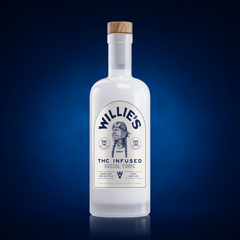
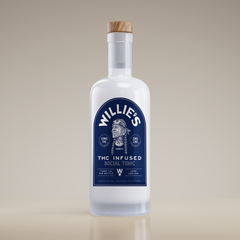
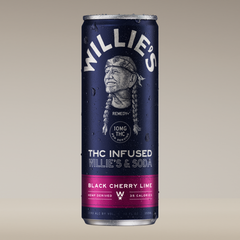
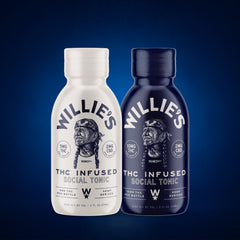


All of the taste, none of the guilt
Willie's Remedy+ is a perfect way to enjoy an evening without tomorrow's hangover.
Here are some classic craft cocktails loved by Willie.
These are all non alcohol twists that you'll love sipping
Willie's Remedy+ is a perfect way to enjoy an evening without tomorrow's hangover.
Here are some classic craft cocktails loved by Willie.
These are all non alcohol twists that you'll love sipping

Adaptogen drinks are non-alcoholic functional beverages made with adaptogens: herbs, roots, and mushrooms such as ashwagandha, rhodiola, reishi, ginseng, and holy basil, traditionally used to help the body handle occasional stress. They sit inside a wider functional beverage category that also includes nootropics like L-theanine and hemp-derived THC and CBD tonics. The better ones list real ingredient amounts, keep sugar low, and make modest claims. Adaptogens are not medicine and will not cure stress, but the right drink can support a calmer, more intentional moment without alcohol's next-morning cost.
Adaptogen drinks have wandered out of the health food aisle and into happy hour, brunch, work breaks, and that quiet little moment between “I'm done for the day” and “please, nobody ask me another question.”
Some are sparkling. Some are earthy. A few taste like a spa got lost in a berry patch. And the good ones actually earn their spot in the fridge. The trick is knowing what you're drinking, why it's in there, and whether it's useful or just a well-designed can of wishful thinking.
Adaptogen drinks belong to the broader world of functional beverages: drinks built to do more than hydrate or taste nice. Some are made for calm. Some for focus. Some for gentler energy. Others lean into the social side of unwinding without alcohol calling the shots. Let's sort the helpful from the hand-wavy.
Adaptogen drinks are beverages made with adaptogens, which are herbs, roots, or mushrooms traditionally used to help the body respond to stress. Common examples include ashwagandha, rhodiola, ginseng, reishi, holy basil, and schisandra.
That does not mean one sparkling can will turn you into a monk with perfect email boundaries. But adaptogens may support how the body handles occasional stress, depending on the ingredient, the dose, the quality, and the person drinking it. Your body is not a copy-paste situation.
Most adaptogen drinks fall into a few camps:
And then there are functional beverages that don't strictly rely on adaptogens but live in the same neighborhood: nootropics like L-theanine, THC seltzers, CBD drinks, and other plant-based tonics built for a more intentional drinking experience.
Here is where the beverage aisle gets slippery. Not every functional ingredient is an adaptogen.
L-theanine, for example, is an amino acid found in tea. It shows up in plenty of drinks for calm focus, but it is not usually classified as an adaptogen. CBD and CBG are cannabinoids, not adaptogens. Hemp-derived THC is its own lane entirely.
These ingredients keep landing in the same conversation because people are chasing the same thing: a drink that helps them feel a certain way without alcohol dragging its boots across the next morning. That is why a functional drink can be useful even if it is not strictly an adaptogen drink. The better question is not “Is this trendy?” It is “What is in it, how much is in it, and does that match what I'm trying to feel?”
Some can. Some are mostly marketing in a nice outfit.
Adaptogens are not magic and not medicine in a can. They should not be sold as a cure for stress, anxiety, insomnia, or burnout. The better adaptogen drinks are built around recognizable ingredients, clear serving sizes, and a realistic promise. Think “may support relaxation” or “helps you feel more balanced,” not “will fix your nervous system by Tuesday.”
The less useful ones hide behind vague language. They brag about a “proprietary blend” without telling you how much of anything you are actually getting. That is not a label. That is a poker game.
When you are choosing adaptogen drinks, look for clear ingredient amounts, low sugar, reasonable calories, third-party testing when relevant, no giant medical promises, a flavor you would drink even if nobody was watching, and a purpose that matches the occasion.
Ashwagandha is often used in calming beverages. It has an earthy flavor and is usually associated with stress support. Some people love it. Others, especially those who are pregnant, taking certain medications, or managing a health condition, should avoid it. Talk with a qualified professional if you are unsure.
Rhodiola tends to show up in daytime drinks, positioned around energy, stamina, and mental performance.
Reishi is a mushroom common in relaxation-focused beverages. The flavor runs woody or bitter, so brands usually pair it with fruit, citrus, or spice.
Ginseng has a long history in energy and vitality products. It can feel too stimulating for some people, especially alongside caffeine.
Holy basil (also called tulsi) is common in teas and calmer formats. It brings an herbal flavor that reads more grown-up than candy-sweet sparkling drinks.
Schisandra is a tart berry used in some functional beverages for focus and resilience. It plays nicely with citrus and berry flavors.
None of these is automatically better than the others. It comes down to dose, quality, timing, and what you want out of the moment.
Adaptogens are generally well tolerated by healthy adults, but they are not for everyone. Skip them, or talk to a healthcare provider first, if you are pregnant or nursing, taking prescription medication, or managing a condition such as a thyroid issue, blood pressure concern, or autoimmune disorder. Some adaptogens can interact with medications or affect how you respond to other ingredients.
Be extra careful when stacking functional ingredients. Adaptogens, caffeine, cannabinoids, alcohol, medications, and supplements can overlap in ways that are not always obvious. And do not assume “natural” means “mild.” Arsenic is natural. So are rattlesnakes. Nature has range. The grown-up move here is not fear. It is awareness.
Adaptogen and functional drinks are easier to find than they used to be. Many grocery and specialty stores now stock a functional set near the kombucha and non-alcoholic options, and most brands sell direct online with more selection than a single store shelf can hold.
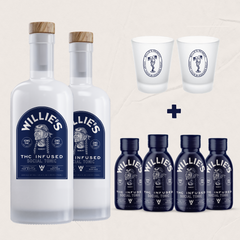
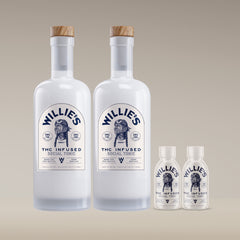
If you are exploring the hemp-derived side of the category, Willie's builds functional tonics around hemp-derived Delta-9 THC, CBD, CBG, and L-theanine. You can browse the full lineup through Shop All Collections, including THC spirits, THC seltzers, and build your own bundle. To check what is on a shelf near you, the find-in-stores page shows current retail partners by zip code.
A lot of people find adaptogen drinks while looking for alcohol alternatives. That tracks. The sober-curious crowd has made one thing clear: they do not necessarily want less ceremony. They want less fallout. They still want something cold in a glass, something with flavor, something that says “I am participating” without also saying “please cancel my morning.”
Adaptogen drinks can fill that role, especially when they are made for slow sipping and social settings. But they are not the only option. Functional hemp beverages have joined the same conversation because they offer a different kind of adult drink. Willie's, for example, builds a low-dose social tonic around hemp-derived Delta-9 THC, CBD, CBG, and L-theanine, made to be measured, paced, and enjoyed with some common sense still in the saddle. For a wider read on the landscape, the best alcohol alternatives guide covers the options side by side.
Transparency matters in this category. Every Willie's batch is third-party lab tested, with Certificates of Analysis available before you buy. Willie's ships to 37+ states with age-verified checkout.
Start with the occasion. For a weekday evening, choose low sugar, low dose, and easy pacing. For a dinner party, go with something that holds up in a glass with ice and citrus. For a gathering, single-serve options keep life simple. Nobody wants to measure liquid in a crowded kitchen while someone explains cryptocurrency again.
Next, check the label. For adaptogen drinks, look for the actual ingredient and dosage. For hemp-derived THC drinks, look for milligrams per serving. The numbers should be plain enough that your future self doesn't need a detective board and red string.
Then check the timing. Some drinks are subtle and best used consistently. Others, like hemp-derived THC beverages, have a clearer onset window: effects typically build over 15 to 30 minutes and last about three to four hours. If THC is part of the plan, read the THC drink dosing guide and the guide on how long THC drinks take to kick in before you start freelancing with milligrams. Start low, go slow, and be kind to everyone in the room. That advice has never ruined a night.
Adaptogen drinks make solid mocktail builders. A bitter reishi tonic can stand in for an aperitif. A rhodiola citrus drink can brighten a spritz. A tulsi tea becomes a porch-sipping situation with lemon, honey, and sparkling water.
The same logic applies to functional hemp tonics and spirits. If you want the glassware, the garnish, and the grown-up ritual without alcohol, start with the Willie's recipe collection or the THC mocktails guide. A good mocktail does not need to wear a little paper hat and apologize for itself. It just needs balance.
A simple format that works: start with a functional base, add citrus, add something bitter or herbal, serve over plenty of ice, and sip like you have nowhere better to be. No smoke machine required.
Adaptogen drinks can be worth it when they are well made, clearly labeled, and chosen for the right moment. They are not a cure-all and not a personality replacement. But the good ones help you build a better ritual around unwinding, focusing, or staying social without reaching for alcohol by default.
That is the real promise of functional beverages. Not perfection. Just a more intentional choice. Whether you reach for adaptogen drinks, hemp-derived THC beverages, or a proper mocktail with a citrus peel riding shotgun, the goal is the same: feel good, stay present, and don't make tomorrow pay for tonight. Start with what you want the drink to do, read the label, respect the dose, and give it time. A little patience goes a long way. So does a good drink. Ready to explore the hemp-derived side? Start with Shop All Collections.
Adaptogen drinks are non-alcoholic functional beverages made with adaptogens, which are herbs, roots, and mushrooms such as ashwagandha, rhodiola, reishi, and holy basil that are traditionally used to help the body handle occasional stress. They are typically chosen for calm, focus, gentle energy, or as an alcohol alternative.
Some do, and some are mostly marketing. The drinks most likely to deliver list specific ingredients and doses, keep sugar low, and make modest claims like “may support relaxation.” Be skeptical of vague “proprietary blends” that hide how much of anything you are actually getting.
There is no single best one, because the right choice depends on the goal. Ashwagandha and reishi are common in calming drinks, while rhodiola and ginseng lean toward daytime energy and focus. Match the ingredient to the moment, and prioritize drinks with clear dosing and third-party testing.
Anyone who is pregnant or nursing, taking prescription medication, or managing a condition such as a thyroid, blood pressure, or autoimmune issue should talk to a healthcare provider before using adaptogens, since some can interact with medications. Use extra caution when combining adaptogens with caffeine, cannabinoids, or alcohol.
No. Adaptogens are herbs, roots, and mushrooms, while hemp-derived THC drinks are made with cannabinoids like Delta-9 THC. They often appear in the same functional beverage aisle because both offer an alcohol-free way to shift gears. Some products, such as Willie's tonics, combine cannabinoids with L-theanine for a low-dose social experience. See the THC drink dosing guide to choose a serving size.
For adults 21 and older in legal markets only. Do not drive or operate machinery after consuming THC. Keep out of reach of children and pets. If you are pregnant, nursing, or taking medications, consult a healthcare provider first.
These products contain hemp-derived Delta-9 THC and are intended for adults 21 and older. Must comply with local and state laws. These statements have not been evaluated by the Food and Drug Administration. This product is not intended to diagnose, treat, cure, or prevent any disease.


